
Start a Mountain House Resident Search
Mountain House sits inside a long-running San Joaquin County records system, but its city government is new. A useful residents directory search keeps those layers separate. The county Assessor-Recorder-County Clerk holds property, deed, vital, and map records. The City of Mountain House now publishes council, planning, and project material. The library and Historical Museum preserve the older county shelf. A court result, permit, deed, or directory entry is evidence of a named connection, not automatic proof that a person lives at an address today.
Use the narrowest trail that fits the question. Address clues work best through parcel and deed records. A single name needs a second identifier such as a date, spouse, case number, occupation, or APN. A family-history question may be better served by an obituary index, yearbook, or county directory. Keep each candidate separate until two independent records agree.
- Write down the starting clue, its date, and the exact spelling, including initials and hyphens.
- Use the county property search or GIS to connect an address to a parcel and APN.
- Check the recorder or court index for a named event, then read the record limits before drawing a conclusion.
- Use the Chavez Library, Museum, obituary index, or yearbooks for an older household or reunion trail.
- Ask the correct custodian for a copy or focused public-records request when the online route ends.
Mountain House Records Offices
The main offices behind a Mountain House residents directory are in Stockton, with City Hall adding a newer local layer. The San Joaquin County Assessor-Recorder-County Clerk handles the assessment roll, deeds, maps, vital statistics, fictitious business names, and related filings. The Elections office controls voter-file access. City planning records can identify a project, APN, applicant, or permit path, while the library and Museum hold the historical material.
San Joaquin Recorder
44 N. San Joaquin Street, Suite 260
Stockton, CA 95202
209-468-3939
San Joaquin Assessor
44 N. San Joaquin Street, Suite 230
Stockton, CA 95202
209-468-2630
Registrar of Voters
44 N. San Joaquin Street, Suite 350
Stockton, CA 95202
209-468-8683
Recorder hours listed in the research are weekdays from 8:00 to 4:30, with recording service ending at 4:00. Vital statistics has its own shorter window. Assessor service is listed for weekdays from 8:30 to 4:30. Confirm current hours before a counter visit because offices can change service rules.
Address to Owner, Parcel First
For an address-led Mountain House residents directory search, begin with the county Accela property lookup. Address mode can return a situs address, APN, application or record number, project details, and contacts shown by that module. The owner mode is a separate route. The County Assessor remains the authority for the assessment roll, so a permit applicant or licensed professional should not be treated as the owner or occupant without another record.
| Field or mode | What to enter | Why it helps |
|---|---|---|
| Search Type | Address, Parcel Information, Owner, Record Information, or Licensed Professional | Chooses the record path |
| Street number | Start and end range | Browses a street segment |
| Street details | Direction, name, type, unit type, unit number | Separates similar addresses |
| City, State, Zip | Mountain House, California, 95391 as a refinement | Narrows the result set |
| Look Up / Clear | Portal controls | Runs or resets the search |
Situs means the physical parcel. A mailing address is where tax or assessment correspondence goes, and it may be a different home, a post office box, an agent, or an entity office. A homestead or homeowners’ exemption can support an owner-occupancy clue for a qualifying date, but it does not list every person in a household.
Note: Save the APN and legal description before moving from the property roll to the recorder’s name index.
Reading the Recorder’s 1968 Divide
The San Joaquin recorder’s public grantor-grantee index begins January 1, 1968, while office deeds and maps reach back to 1851. That split matters when a Mountain House parcel is followed into older agricultural ownership. Search the online index by grantor and grantee, then narrow by recording date, document type, document number, or book and page. A result may show party roles, instrument type, date and time, APN or legal-description references, page count, and an image or copy route.
The index is not a street-wide residents directory. It proves that a named party appeared on a recorded instrument. Read the deed or map for the legal description, tract, lot, and parcel connection. A current owner can be followed backward by finding the acquisition as grantee, reading the grantor, then searching that grantor as an earlier grantee. Copies and certifications follow the Recorder’s published schedule, while the free index is only the starting point.
For pre-1968 work, take the known name, approximate year, and parcel clues to the Stockton counter. The research specifically notes digital and film access for earlier deeds, so an online cutoff is not the same as a records cutoff.
The official online entry point for the county’s recorded-document modules is the Recorder Self-Service portal.
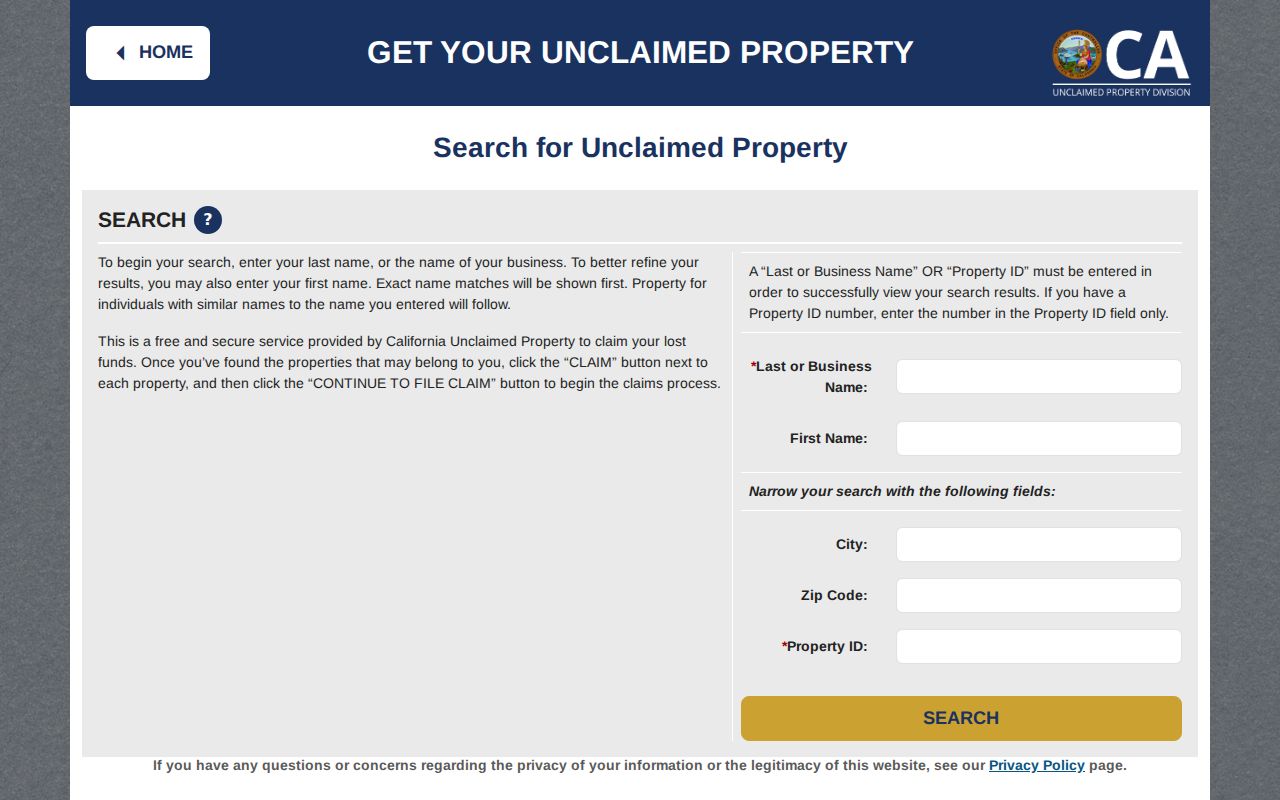
An old name or city association can also appear in California’s free Unclaimed Property search. Its required last or business name and optional city or ZIP fields can create a lead, but a reported property association is not proof of current residence.
Current Mountain House Directory Sources
No single current book lists every Mountain House household. The closest official sources each describe one slice of a person, parcel, or public role. The table helps match a question to the right custodian.
| Source | Who or what appears | Keeper | Access |
|---|---|---|---|
| Assessment and property records | Owners, parcel and mailing clues | San Joaquin Assessor | Accela or counter, with limits |
| Recorder index | Deed, lien, map, and release parties | Recorder Division | Online from 1968; older counter route |
| City planning files | Project owners, applicants, APNs, lots, dates | City and legacy county offices | Project pages or request |
| Voter records | Controlled registration and participation fields | California and San Joaquin elections offices | Self-lookup or approved request |
| Business and license indexes | Entity, agent, registrant, or credential ties | State and county offices | Public portals vary |
The source choice changes the claim. A deed supports a title connection. An assessor mailing address supports a tax-record connection. A city planning file supports a project affiliation. None, alone, is a complete resident list. The one-person workflow on the Mountain House resident lookup page uses these distinctions when a name needs verification.
What a Court Name Search Shows
Mountain House trial matters go to the San Joaquin Superior Court. Its Case Management Search separates party-name and case-number modes. The public name form uses first, middle, and last name combinations. California Rule of Court 2.507 excludes date of birth and driver-license fields from that search. Results can show a case number, caption, party role, case type, filing date, status, events, hearings, and a disposition when entered.
A name hit is not a criminal-history report and does not prove that the person is the Mountain House resident being sought. Match case number, date, role, and the public file before connecting a result to a person. Archived files reach back to 1850 subject to retention. Records Management offers Stockton kiosk access, online requests that need a case number and valid email, and mail requests that may take about 20 business days. Staff contact is 209-992-5697.
Note: Court indexes locate cases; they do not replace a review of the file or a custodian’s identity safeguards.
Why California Voter Data Is Restricted
California’s My Voter Status tool is for an individual checking their own registration. It is not a public Mountain House residents directory and cannot browse a street. The San Joaquin voter-file application asks for a written purpose, original wet signature, identification copy, security plan, and certification. Approved election, political, scholarly, journalistic, governmental, or record-review uses are handled under controlled access. Casual curiosity does not turn the voter roll into a neighbor list.
Authorized fields can include a registration county, name, status, registration date, party preference, precinct, method, birthplace, vote-by-mail status, and participation history. Home address, phone, email, signature, unique identifiers, and related fields receive additional protection. Safe at Home participants can register confidentially. A voter record is therefore a tightly limited source that must be handled under its statutory purpose.
The California voter-status form shows the difference between a private self-check and a third-party request.
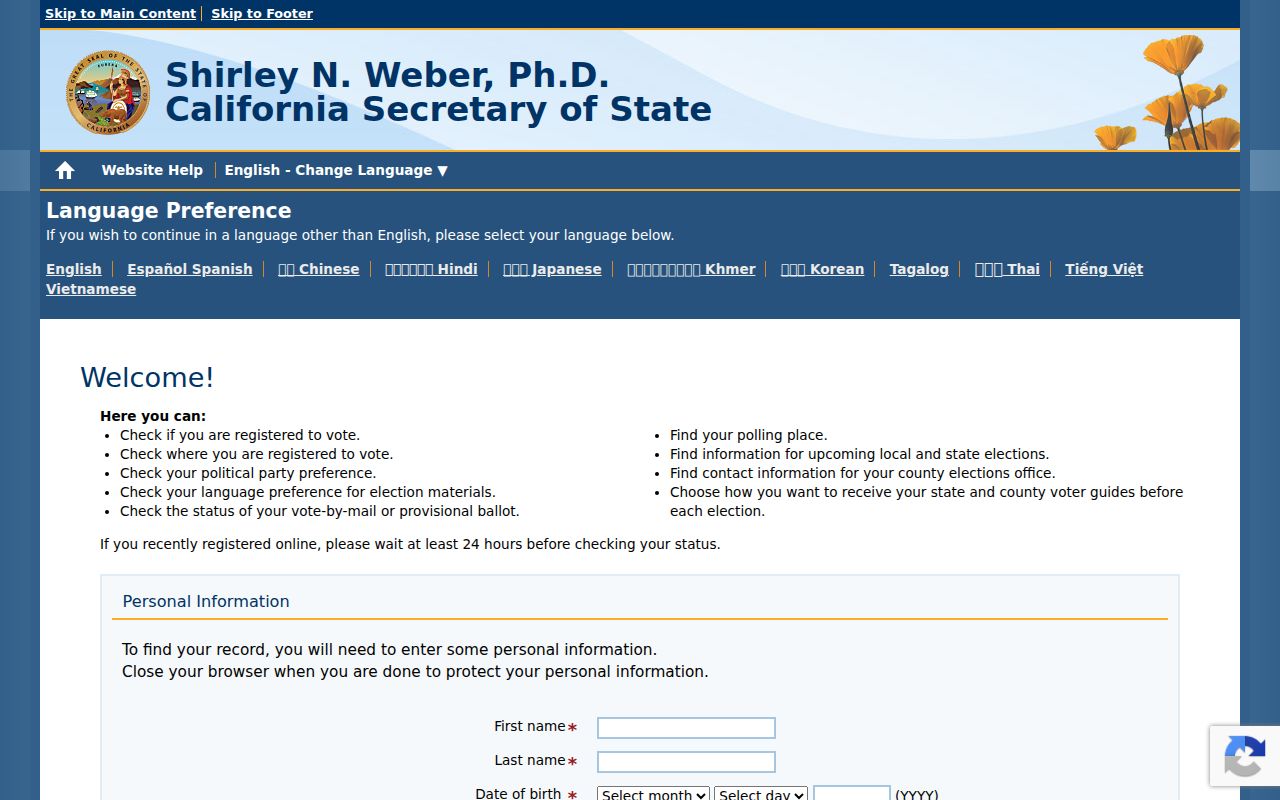
A searcher who needs a family-history clue should use the Museum’s Great Registers or other lawful historical sources instead of trying to bypass voter protections.
Vital Record Copy Classes
Birth, death, marriage, and divorce records need a different approach from property or court indexes. San Joaquin County Recorder-County Clerk Vital Statistics handles local copies, while the California Department of Public Health provides statewide routes. Health and Safety Code sections 103525 and 103526 distinguish informational copies from authorized certified copies. An authorized request can require a statutory relationship and a sworn statement, with notarization when mailed. Confidential marriage records follow Family Code section 509. Adoption records and original birth certificates are sealed under Health and Safety Code section 102705.
| Record | Mountain House search point |
|---|---|
| Birth | County or CDPH; informational and authorized routes differ; 2026 state fee is $31 |
| Death | County, CDPH, obituary, or cemetery trail; 2026 state fee is $26 |
| Public marriage | Recorder where licensed or CDPH; 2026 state fee is $19 |
| Confidential marriage | Issuing County Clerk or court order; access eligibility controls |
| Divorce | Superior Court decree or CDPH certificate; 2026 state fee is $18 for the certificate route |
Applications ask for event names, date and place, parents or spouses, relationship, copy class, signature, and payment. A failed search can produce a Certificate of No Public Record while retaining the fee. Use the CDPH application routes for forms and the county office for a recent San Joaquin event.
Business and License Affiliations
A person connected to Mountain House through a business or credential can be found through an entity or license index, not a resident list. California Secretary of State bizfile Online can show an entity number, status, formation details, principal or mailing address, agent for service, and statements of information. County fictitious business name filings can add a registrant or premises. The city’s newer business licensing work belongs increasingly to Mountain House, while older local filings may sit with county or CSD systems.
California DCA License Search and profession-specific boards can show status, issue or expiry dates, and public discipline fields. A license, agent address, or business premises demonstrates an affiliation. It does not establish a home address or present household membership.
| Record path | Useful clue | Limit |
|---|---|---|
| SOS entity filing | Entity role, status, agent, filing date | Business address is not residence |
| County FBN | Registrant and business name | Filing may be old or commercial |
| DCA or board license | Credential and public status | Fields differ by profession |
| City license or project record | Local operation or project contact | Applicant is not automatically occupant |
Library Help for Family Research
The Cesar Chavez Central Library’s upper-level genealogy collection is a strong practical fallback when a Mountain House residents directory search turns historical or personal. The collection includes more than 1,500 books, 200 family histories, and 125 society periodicals. Ancestry Library Edition is available in-library, HeritageHub supplies obituary research, and the digitized San Joaquin County Public Library Obituary Index covers 1850-1991. Family History Helpers meet on the first and last Tuesdays from 10:30 a.m. to 1 p.m. The Genealogical Society offers a $5 San Joaquin obituary lookup through research@sjgensoc.org.
These services support family history, classmate reunions, and name-variant work without treating a compiled data result as fact. Preserve a newspaper citation, compare a spouse or location, and then seek a death record, probate file, or other custodian record. School directories and yearbooks can help reconnect classmates, but current student rosters are not public resident rolls.
The county library genealogy page identifies the collection, databases, and volunteer help.
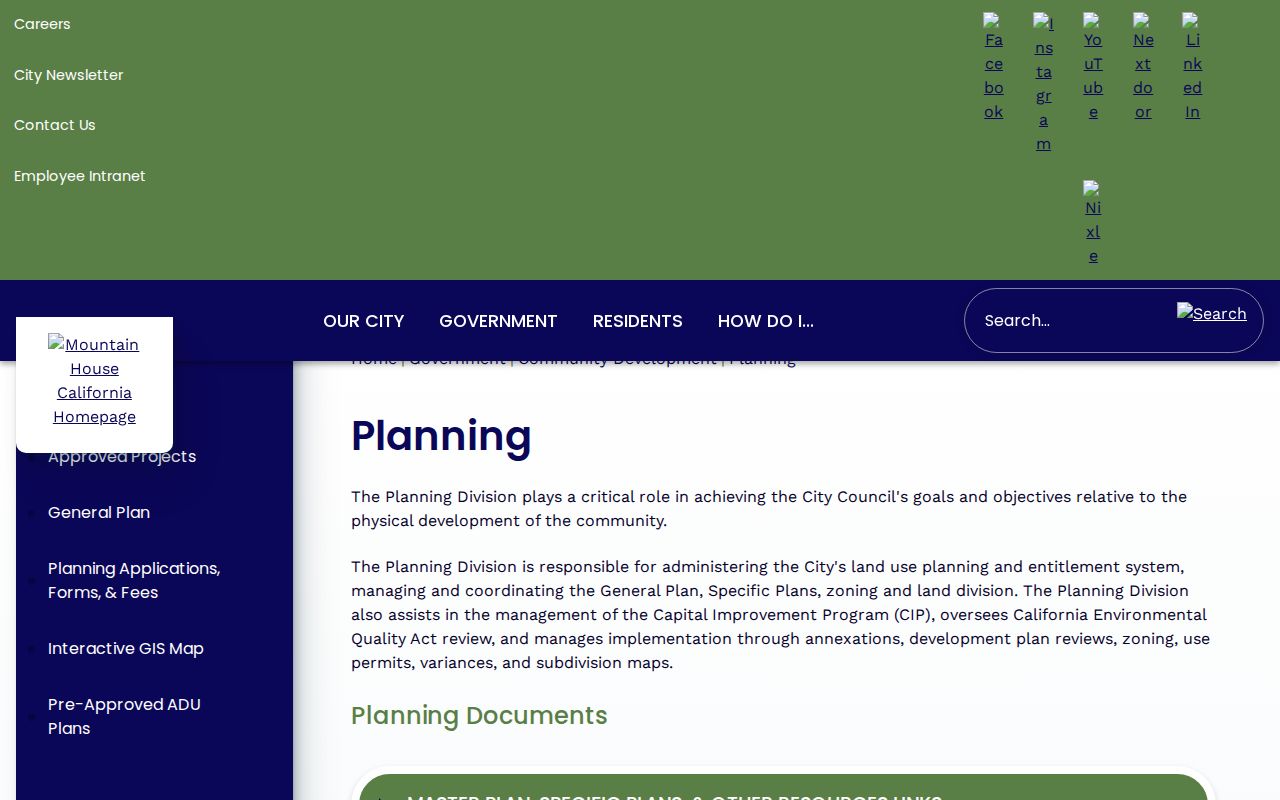
City planning adds a newer local layer. The official Mountain House Planning page names villages and posts permit totals, while active project records can connect an address, APN, owner, applicant, and hearing file.
Historical Mountain House Directories
Mountain House has no long printed city-directory run that matches its modern city name. The planned community was approved in the 1990s and built mainly after 2000, so the historical shelf is countywide. The San Joaquin County Historical Museum and Kennedy Reference Library hold city and county directories from 1852 through 1980. A volume may include rural residents, farms, or businesses, but coverage varies by publisher and year. The full collection strategy belongs on the Mountain House city directories page.
Pair a directory name with occupation, spouse, street section, assessment book, Great Register, obituary, or census geography. An omitted year can mean a move, a missed canvass, a rural exclusion, a death, or a publisher change. It does not prove that a household was absent. Museum appointments and volume abbreviation keys matter more than a broad search phrase.
When the Online Trail Stops
Some Mountain House records have a web index but no public image. Others have no online name search at all. The California Public Records Act text, Government Code sections 7920.000 through 7931.000, generally lets any person request an identifiable existing record. An agency normally makes a determination within 10 calendar days and can extend it by 14 days for unusual circumstances. The law does not require an office to create a new list or answer a research question.
A focused request works best when it names a date range, department, address or APN, project, subject, and document type. Ask for an electronic native file when available. For court copies, use Records Management or the CR-109 process. For older deeds, go to the Recorder counter. For historical names, ask the library or Museum archivist about the relevant shelf and appointment rules.
- Identify the record custodian, not just the website that mentioned the record.
- State the exact existing record sought and give a narrow date and address range.
- Separate a request for inspection from a request for certified copies.
- Expect redactions for protected addresses, sealed matters, or private customer details.
Note: A request for a new resident list is different from a request for an existing permit, deed, agenda, or index.
Four Terms for Better Results
Record language can make a simple Mountain House residents directory search sound harder than it is. These terms keep the trail clear.
- Roll
- An office’s organized list, such as the assessment roll, with fields tied to parcels or accounts.
- Index
- A finding aid that points to a document or case; it is not always the full record or image.
- Criss-cross directory
- A reverse directory that starts with a street or address and may list an occupant or business.
- Parcel
- A defined piece of land identified by an APN and legal description, even when a street address changes.
Use the word that matches the source. A parcel ties GIS, assessment, maps, and deeds together. An index points to the underlying instrument. A directory entry may describe a household at one point in time. Keeping those roles separate prevents a weak clue from becoming an unsupported claim.
Protect the Person Behind a Record
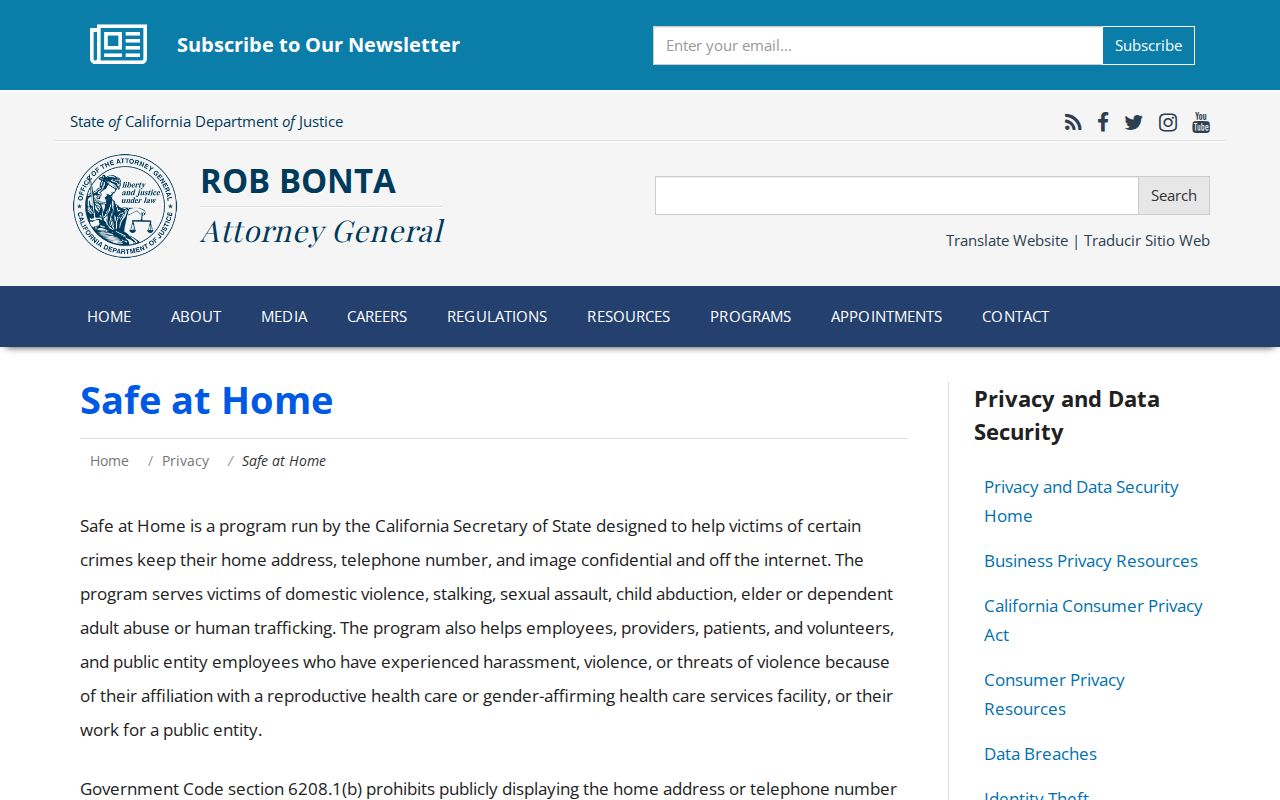
California provides confidentiality routes that can remove or limit an address. The Secretary of State’s Safe at Home program serves qualifying survivors and certain threatened participants. Voter data also withholds protected fields. Deeds may redact sensitive numbers, court files may be sealed, and utility or DMV customer information is not a public residents directory.
Lawful personal use. Mountain House records can support family history, property curiosity, and civic research. Do not use an address or name trail to stalk, harass, intimidate, or harm anyone.
Commercially compiled people-data services may merge same-name records, repeat an old address, hide the source, or charge for a result. An official record can also be incomplete, so verify with the custodian. Deletion rights for a broker profile do not erase a lawful deed, court index, or license record held by a government office.
Details about Safe at Home address confidentiality explain why some legitimate records will not expose a location.
The right result is not always the most detailed result. A protected or missing record is a boundary to respect, not an invitation to search around it.
Mountain House’s New-City Record Test
Every Mountain House record has two useful questions: when was it created, and which entity held that function then? Voters approved incorporation on March 5, 2024, and cityhood became effective July 1, 2024. A 2023 planning file may belong to the Community Services District or San Joaquin County. A 2025 project or business-license record may belong to the City. A deed, tax record, vital record, election record, or court record remains tied to the county system in either era.
That custody seam explains why a name, address, or project can appear in more than one archive. Search the City Archive Center and legacy MHCSD material for older local administration, then use the City’s current planning and active-project pages for newer files. Treat village names as planning geography, not proof of a household. The result is a more accurate Mountain House residents directory because the source’s date and custodian stay visible.
Note: Postal Mountain House labeling predates cityhood, so “Mountain House, CA 95391” on an older record does not by itself show municipal custody.